www.soccerway.com/news/2007/January/29/materazzi-goes-down-easily-says-domenech/
Boy, Raymond Domenech is really having a hard time dealing with the World Cup loss, eh? It seems he can't refrain from negatively commenting on anything about Italy. Ray, let....it....go. Imagine if Dino Zoff would have complained months after Italy's 2-1 loss to France at Euro 200 despite outclassing les bleus? How about if Cesare Maldini lamented continuously after falling to eventual champions France in a shoot-out and in a match France played poorly?
That's right: people would call them sore losers. The fact is that they took those difficult losses and moved on. No derogatory comments were made towards France in public.
Too bad France has reacted like they have. Sometimes in sports the best team does not win. Or sometimes the best team does not play up to par and manages to eke a victory. Italy was the best team in the tournament overall. France was not. The French themselves caught some major breaks in 2006.
Both are great soccer countries. Move on. No one said life was fair.
Of course, reading the threads about the incident (which most people did not see) it's also a chance for many to spew their anti-soccer and prejudiced views.
Here's the thing about this particular head butt that elicited a comment from Ray. Sampdoria player Del Vecchio is an aggressive type of player.With the play in question, Del Vecchio slid and tried to poke the ball past Inter Milan goalie Julio Caesar. If one paid close attention, he tried to clip Caesar. The best way to describe it is when a hockey player taps, pokes or jabs at the goalie's glove after he freezes the puck. We all know how defenders feel about that.
Materazzi simply confronted Del Vecchio by getting in his face. He, gulp, was right to do so. He served notice to Sampdoria that the Inter defense was not going to tolerate this sort of act. Furthermore, he stuck up for his team mate. Del Vecchio reacted by, interestingly. head butting him. Could Materazzi stayed on his feet? Perhaps. It is interesting to note that he did get a cut lip suggesting Del Vecchio managed to connect.
Again, I'm on record as saying that I'm not the biggest Materazzi fan. However, we should not rush to judge and compare this to the Zidane incident. No matter how many times we will revisit this, Zidane has no one but himself to blame for his stupidity. Domenech can hide behind a thin veil of fabricated justifications all he wants but it won't deviate from this hard truth. Gosh, what if the tables were turned?
Domenech, who suffers from selective memory syndrome, is hoping to deflect the absurd actions of Zidane onto Materazzi any chance he gets. Say what you want, Materazzi did not violently attack anyone. His goal is to get under the skin of a player. The reactions of Del Vecchio and Zidane were the work of players who could not keep their cool. Both received red cards. End of story. Point final.
It just so happens that Materazzi is always in the middle of a controversy. We can debate whether he is the type of player teams want but spare me the anti-Italy rhetoric that has followed it. Soccer is filled with far worse offenders than The Matrix as he is known. Former Italy player Marco Tardelli is on record saying that Materazzi - although right - could have approached it differently. Maybe. But that's not the point.
What makes Domenech's comments remarkable - if not hypocritical - is the fact that there are a few players "who go down easy" on his own team. Try Malouda and Henry for starters. Domenech is best to restrict his comments to his team and to look in the mirror first.
Raymond, stuff a pastry in your mouth have an allonge and just shut up.

2007-01-29

A Night of Mixed Emotions
No one does a retirement ceremony better than the Montreal Canadiens. Easily one of the best run organization from a PR standpoint, the Habs know how to connect present hockey fans with the past. There's a certain regal aura to the whole process. It's akin to a President's State of the Union address for the Canadiens have historically been a true and revered great sports organization with a powerful tradition.
Among the more stirring moments of such a ceremony is the ascent. The moment where the ghosts of Forum's past are summoned and the banner is raised to be immortalized. As it slowly rises it conjures up surreal and majestic inner feelings and images of magnificent nostalgia for all hockey fans.
Tonight they will honour and retire Ken Dryden's #29. Dryden was the goaltender for les Canadiens during the dominant and dynastic years of the 1970s. I'm not sure why management are slow to coming around to honoring some of the legends on those clubs but at least they are doing it. Earlier this year it was Serge Savard now it's Dryden's turn. Next Larry Robinson - I hope - even Bob Gainey, Toe Blake and Elmer Lach.
It's pretty remarkable what Dryden achieved in only eight short seasons: Five Vezinas, one Calder, one Conn Smythe, a .790 winning percentage, 2.24 goals against and 46 shut outs in 397 games. Above all, he helped back stop the Habs to 6 Stanley Cups. Easily one of the greatest goaltenders ever - Fort Knox type defense notwithstanding. Not to mention being on the cover of Sports Illustrated three times. Now that's recognition.
While hockey fans pay tribute to 29 we should also remember the loss of Lorne 'Gump' Worsley who died of a heart attack this week-end. Worsley had some of his best seasons while playing for nos glorieux. When compared to the 1950s and 70s edition of the Habs the 60s tend to be overlooked despite the awesome successes. Worsley was part of four Stanley Cup celebrations in 1965,66,68 and69 and earned the Vezina in 66 and 68.
Gump was best remembered for his wit and sense of humour. During the early part of his career with the Rangers - when he was regularly facing over 40 shots a night - he was asked, "Which team gives you the most trouble?"
He replied, "The New York Rangers."
Merci les boys.
Among the more stirring moments of such a ceremony is the ascent. The moment where the ghosts of Forum's past are summoned and the banner is raised to be immortalized. As it slowly rises it conjures up surreal and majestic inner feelings and images of magnificent nostalgia for all hockey fans.
Tonight they will honour and retire Ken Dryden's #29. Dryden was the goaltender for les Canadiens during the dominant and dynastic years of the 1970s. I'm not sure why management are slow to coming around to honoring some of the legends on those clubs but at least they are doing it. Earlier this year it was Serge Savard now it's Dryden's turn. Next Larry Robinson - I hope - even Bob Gainey, Toe Blake and Elmer Lach.
It's pretty remarkable what Dryden achieved in only eight short seasons: Five Vezinas, one Calder, one Conn Smythe, a .790 winning percentage, 2.24 goals against and 46 shut outs in 397 games. Above all, he helped back stop the Habs to 6 Stanley Cups. Easily one of the greatest goaltenders ever - Fort Knox type defense notwithstanding. Not to mention being on the cover of Sports Illustrated three times. Now that's recognition.
While hockey fans pay tribute to 29 we should also remember the loss of Lorne 'Gump' Worsley who died of a heart attack this week-end. Worsley had some of his best seasons while playing for nos glorieux. When compared to the 1950s and 70s edition of the Habs the 60s tend to be overlooked despite the awesome successes. Worsley was part of four Stanley Cup celebrations in 1965,66,68 and69 and earned the Vezina in 66 and 68.
Gump was best remembered for his wit and sense of humour. During the early part of his career with the Rangers - when he was regularly facing over 40 shots a night - he was asked, "Which team gives you the most trouble?"
He replied, "The New York Rangers."
Merci les boys.
2007-01-27
The Ice Age Cometh and Stayeth and it's Damn Cold.
For the past 10 days it's been typically and bitterly cold in Quebec averaging -15c. Not the worst cold snaps we've had but close enough. It got me thinking abut an article the local "sports" pages ran regarding global warming.
The month of December presented us Montrealers with fairly warm weather for that time of year. So what better thing to write about, the editor thought, about global warming and hockey? That'll get the commoners all worked up. Hit them where it hurts the most in this province: with hockey. As if that wasn't enough on its own they decided to stretch it out. Mainly, they asked the hard hitting rhetorical questions: What kind of an affect and impact will "global warming" have on the development of Canadian hockey players? The logic was that if there are no outdoor rinks for kids to master their skills as a result of the earth turning into an oven we would have the equivalent of barbarians on skates.
And they say intellectualism is alive and well. What a bunch of baloney.
So much for that. It's fricken freezing and the rinks are packed with kids. Sometimes the weather goes in cycles. Ask any climatologist about that. We're probably in a warming period. Global warming is turning out to be big business. I bet you that in 20 years we probably won't be "alerting" people about any of this. Questions: Are guys like Gore any different from apocalyptic Christian fundamentalists? One uses scientific "facts"and the other the bible. Roger Bacon would probably loathe both.
Go forth and try and save the earth. You probably won't win. Something tells me Mother Nature has a hand in all of this. Still, it's a fair debate in small doses and with fair minded people. I'll listen but spare me the hockey will whither nonsense. That's what we mean by hyperbole. All they have done is contribute to the hysterics of modern mass media. We claim to be progressive but we're no different than extremists from times past.
The truth, as always, is somewhere in the middle.
The rest is pure garbage.
The month of December presented us Montrealers with fairly warm weather for that time of year. So what better thing to write about, the editor thought, about global warming and hockey? That'll get the commoners all worked up. Hit them where it hurts the most in this province: with hockey. As if that wasn't enough on its own they decided to stretch it out. Mainly, they asked the hard hitting rhetorical questions: What kind of an affect and impact will "global warming" have on the development of Canadian hockey players? The logic was that if there are no outdoor rinks for kids to master their skills as a result of the earth turning into an oven we would have the equivalent of barbarians on skates.
And they say intellectualism is alive and well. What a bunch of baloney.
So much for that. It's fricken freezing and the rinks are packed with kids. Sometimes the weather goes in cycles. Ask any climatologist about that. We're probably in a warming period. Global warming is turning out to be big business. I bet you that in 20 years we probably won't be "alerting" people about any of this. Questions: Are guys like Gore any different from apocalyptic Christian fundamentalists? One uses scientific "facts"and the other the bible. Roger Bacon would probably loathe both.
Go forth and try and save the earth. You probably won't win. Something tells me Mother Nature has a hand in all of this. Still, it's a fair debate in small doses and with fair minded people. I'll listen but spare me the hockey will whither nonsense. That's what we mean by hyperbole. All they have done is contribute to the hysterics of modern mass media. We claim to be progressive but we're no different than extremists from times past.
The truth, as always, is somewhere in the middle.
The rest is pure garbage.
Canada vs. Soviet Union: An Epic Brawl that Deserves a Poem
www.youtube.com/watch?v=jZMEE7tlq6A
I was never prouder that day in 1987. Once upon a time we knew how to stand up. Then again, what did I know? I was a dimwitted teenager.
We couldn't beat the godless commies militarily but on the ice we were even. Canada was on their way to win the gold medal that year and a good conspiracy mind would claim that the Soviets started the fight to keep that medal out of Canadian hands. Sure, I instinctively knew we probably would be disqualified but it was still priceless. The name Everett Sanipass will stay with me forever.
Bring back old style 70s and 80s brawls! As for all these journalists who want fighting out of the game - the bottom line is that they may think they are smarter than the fans but the reality is that everybody loves a good fight.
I was never prouder that day in 1987. Once upon a time we knew how to stand up. Then again, what did I know? I was a dimwitted teenager.
We couldn't beat the godless commies militarily but on the ice we were even. Canada was on their way to win the gold medal that year and a good conspiracy mind would claim that the Soviets started the fight to keep that medal out of Canadian hands. Sure, I instinctively knew we probably would be disqualified but it was still priceless. The name Everett Sanipass will stay with me forever.
Bring back old style 70s and 80s brawls! As for all these journalists who want fighting out of the game - the bottom line is that they may think they are smarter than the fans but the reality is that everybody loves a good fight.
2007-01-26
The Plains of Abraham (1759): A Decisive Historical War
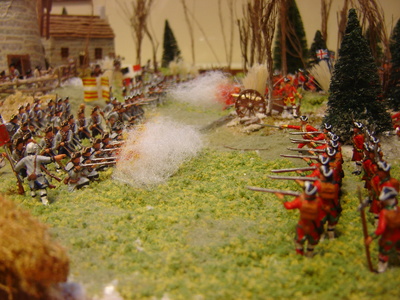
For Quebec nationalists, the Plains of Abraham fought in 1759 is a fight they can never forget. Yet, the war had consequences that went far beyond the territory of what was then New France. For this is the one battle that conclusively changed North America - and the world - forever.
In the 18th century, highly centralized France was the most powerful society in Europe - and this included its military. France's North American exploits and adventures up to that point were a romantic adventure of brave Frenchmen exploring and mapping out the continent's most remote parts. The coureur de bois are forever intricately immersed in the image of les Canadiens,. Even leaving the birth of an indigenous people in the Métis in its wake.
 However, New France faced massive obstacles she could not overcome. Despite managing to create a hinterland empire that stretched from Quebec through Detroit and St. Louis into New Orleans, the French could not pin the British to the East coast for long. In the 70 years or so that led up to the war for Canada's soul, New France's population was approximately 140 000 scattered settlers. As my physiotherapist - who was from France - once told me a few years back, "New France never had a chance."
By this he explicitly pointed to the strong, independent and resourceful 1.5 million settlers of the Thirteen Colonies. Despite France's military advantage in Europe, she could not eclipse England's navy and its more able military captains.
The two tragic heroes on the Plains of Abraham were General Wolfe for England and General Montcalm for France.
The Plains of Abraham was the conclusion to a protracted war that included The Spanish and Austrian Wars of Succession as well as the Seven Years' War (known as the French and Indian War to Americans).
By the time the peace treaty was signed in 1763, Canada was ceded to Britain. While Spain - who fought against Britain - lost its possessions in Florida. Only New Orleans did not fall into British hands. Instead passing from French to Spanish authority. It eventually returned to France. However, needing to improve his treasury and seeking American friendship, Napoleon sold the state to the United States.
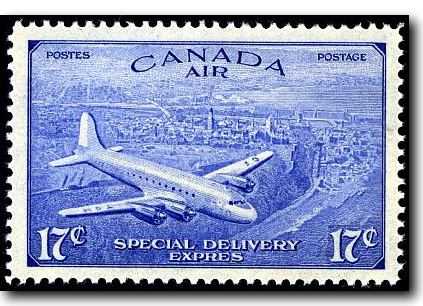 Interestingly, Canada was not the only place France was expelled from. Far away into a distant land in India - presently the world's largest democracy - the French lost to Britain once again .
Of course, like with most of history, speculation is bound to capture our attention. The problem with "what ifs" is that while it can be intoxicating it ultimately fizzles in its endless ruminations. Still it's worth noting what historians have pondered regarding the Battle of the Plains of Abraham. Some of the more salient ones that stood out for me revolves around what could have been for France. For example, what if Montcalm had waited for all his troops to rejoin before launching what proved to be a premature attack on the British line? Or what if his successor General Levis had received early reinforcements from France to strengthen her chances of victory?
Would New France have met a different fate?
Intriguing, as this may be it did not - in the final curtain call of history - happen. Britain won and the rest was, well, history. French Canada has since survived but one can't help but wonder about how things could have been had France won. What if indeed.
For those seeking additional readings on the Plains of Abraham consider:
C.P. Stacey, Quebec, 1759
Rene Chartrand, Quebec, Battle of the Plains of Abraham Osprey Publishing
While the Plains of Abraham was a significant war, there have been other major wars in world history with far reaching implications. Here are the 15 most decisive battles according to 19th century historian Edward Shepherd Creasy. Of course, this is not exhaustive and we could easily debate this it still is an interesting list for military history buffs.
The Battle of Marathon (B.C. 490)
Defeat of the Athenians at Syracuse (B.C. 413)
The Battle of Arbela (B.C. 331)
The Battle of Metaurus (B.C. 207)
Victory of Arminius over the Roman Legions under Varus (A,D. 9)
The Battle of Chalons (451)
The Battle of Tours (732)
The Battle of Hastings (1066)
Joan of Arc's Victory over the English at Orleans (1429)
The Defeat of the Spanish Armada (1588)
The Battle of Blenheim (1704)
The Battle of Pultowa (1709)
Victory of the Americans over Burgoyne at Saratoga (1777)
The Battle of Valmy (1792)
The Battle of Waterloo (1815)
2007-01-23
FQ's with Professional Mountain Climber Jake Norton
Welcome to another installment of Five Questions where interesting people are asked, well, FQ's. Today's guest Jake Norton is not only a mountain climber but a speaker, photogrpaher and guide. Check out his bio via his link.
Jake blogs at Mountainworld.
Mountain World Photo
1) Rhetorical question first. Do you have rocks in your head?
Well, perhaps. In all seriousness, I think people – myself included – do question both my intelligence and sanity when the amount of time I’ve spent on Everest and in the mountains in general are taken into account. But, I have had some wonderful experiences in the hills, and climbing truly is my driving passion in life…So, I guess that makes it all worthwhile. It is nice to be able to do something you love for a living!
2) I read on your website that you discovered the remains of a British pioneer climber. Was that something you set out to do or did you stumbled upon it? Did you know who it was? What went through your mind? Briefly walk us through this fascinating experience.
Yes, in 1999 our team – the 1999 Mallory & Irvine Research Expedition – discovered the remains of pioneer climber George Leigh Mallory. Our goal that year, as evidenced by the name of the expedition, was to go to Everest and attempt to solve – or at least shed more light on – the mystery of Mallory & Irvine.
For those who don’t know the story, Mallory and his climbing companion, Andrew Comyn Irvine, were last seen about 800 feet from the summit of Everest on June 8, 1924, by their teammate Noel Odell. The big question was, of course, did they reach the top that day, some 29 years before Sir Edmund Hillary and Sherpa Tenzin Norgay climbed to the summit via the easier Southeast Ridge on May 30, 1953. While Mallory & Irvine would not get a summit certificate if they reached the top (it’s important to make the round trip!), it still would be an amazing accomplishment if they did reach the top and has been a fascinating mystery for years.
In 1999, our team was comprised of our leader, Eric Simonson, historian Jochen Hemmleb, doctor Lee Meyers, film crews from BBC and PBS-NOVA, a climbing/search team of Dave Hahn, Andy Politz, Tap Richards, Conrad Anker, and myself and, most importantly, our stellar Sherpa team, who as always did the lion’s share of the work on the hill.
After a month-and-a-half of work on the peak, on the morning of May 1, our climbing team set out from 25,600 foot Camp V on the North Ridge with the aim of doing a first cursory search of an area we identified as the Mallory Basin – it was where we thought we had the best chance of finding evidence of Mallory & Irvine. After and hour and forty-five minutes, Conrad called a mandatory team meeting, and I could see him about 50 meters away from me frantically waving his ice axe. I climbed over to him and was immediately stunned into silence, for there was Conrad standing over the remains of what had become our hero: he had found George Mallory.
It really was a stunning moment – or series of moments, as we spent about 4 hours with George that day. I still get goose bumps to this day remembering it, and thinking about how humbling it all was. For there we were in $1000 down suits and $1000 boots, standing over the remains of a man who had climbed at least as high as we were: he did it in silk shirts, a tweed coat, and woolen knickers. It definitely gave me perspective on the pioneer climbers and all they accomplished - summit or not.
3) You climbed Everest twice via the Northeast and Southeast ridges. Could you describe these ridges and what are the significant characteristics of each? Was Everest your most difficult challenge?
Correct…I’ve now been on 5 Everest expeditions, 4 to the Northeast Ridge (climbing via Tibet) and one to the Southeast Ridge, climbing via Nepal. I reached the top first from the Southeast Ridge in 2002 while shooting and expedition for Discovery, and then again in 2003 shooting stills and video for the Outdoor Life Network’s Global Extremes reality TV series.
These two ridges are the most common climbing routes on Everest, and see probably 98% of the climbing traffic. While the Northeast Ridge was the route of the first attempts on Everest (all pre-World War II, 1921, 1922, 1924, 1933, 1935, 1936, & 1938), the technically easier Southeast Ridge was the first definitive summit route and has been the route of choice for most parties since 1953.
The main differences between the two ridges are a question of objective versus subjective hazards. The Southeast Ridge route, while easy from a technical climbing standpoint, ascends through the Khumbu Ice Falls - one of the most dangerous ice falls anywhere in the world. This mass of ice – literally a glacial waterfall – moves an average of 3 feet per day during the climbing season. Thus, there is immense objective hazard on this route: we climb through the ice fall early in the morning before things have heated up and blocks begin to topple over. But, it is incredibly dangerous and although we do our best to minimize the risks of the ice fall, to some extent you are rolling the dice and hoping nothing collapses around you. However, once through the ice fall, the route is very simple and straightforward: you travel up through the Western Cwm, ascend the steep Lhotse Face through Camp III to Camp IV at the South Col, and then climb to the summit. The only marginally technical section on the route is the Hillary Step at about 28,800 feet - but that is now quite easy given the traffic it has seen over the years.
In contrast, the Northeast Ridge has almost no objective hazard on the route. The only objective dangers are a small band of seracs (ice towers) you cross beneath on the North Col Headwall, and then the minimal danger of being hit by falling rock (or perhaps an abandoned oxygen bottle) on the upper, rocky ridges and faces. But, the summit day on the Northeast Ridge is quite involved. It is nearly all rock, and not good rock for climbing – it tends to be crumbly shale and fractured limestone, all tilted downhill at impossible angles. It feels as if you are walking on a giant, ceramic-tiled roof that runs for 10,000 feet. Once you ascend through the steep terrain of the Yellow Band and gain the Northeast Ridge crest, you encounter the major obstacles of the climb: the First Step, the traverse to Mushroom Rock and on to the Second Step, and then the Second Step itself. In a nutshell, the Northeast Ridge forces you to keep your focus, to always pay attention to the route ahead and behind as well as to ascend moderately technical terrain at extreme altitude. And, the most difficult part is that you cannot get down quickly, for the route is nearly all rock, and descent is an arduous process. Nevertheless, it’s fun climbing, and there's no objective hazard, so the Northeast Ridge is my route of choice.
On an interesting side note, it was really a matter of politics that forced the pioneers in the 1920’s and ‘30’s to climb from the North via Tibet. At that time, Nepal was ruled by the xenophobic and autocratic Rana regime, and the country was all but sealed off to foreigners. So, the pioneers gained permission from the 13th Dalai Lama to approach the mountain via Tibet. In 1949-1950, the Chinese invaded and occupied Tibet. China subsequently sealed it off to foreigners while a revolution in Nepal overthrew the Ranas and brought King Tribhuvan Bir Bikram Shah Dev back to power. This opened Nepal's doors to foreign travel, Along with it the first attempts to climb on the south side of Everest.
4) We came across each other's path on one of my posts at Blogcritics that questioned if people climb mountains for the right reasons and if there is an overall benefit to mankind. It sparked some interesting comments. Would you care to rehash your thoughts here?
Sure. Basically, the debate was whether or not climbing, in light of recent tragedies in the mountains and ethical debates about David Sharp’s death, serves any purpose to mankind or the world as a whole.
To me, climbing can serve a purpose for humanity, for it has the potential to show people what one can accomplish, what barriers – self imposed or otherwise – one can overcome. In essence, climbing is about pushing our limits as humans, about looking up at a seemingly insurmountable goal and having the confidence to push toward that goal while maintaining the decision making power, ration, and instinct to decide when to turn around. As I wrote in my Blogcritics comment:
"So, to come back around, I think climbing mountains - Hood, Monadnock, or Everest - should be about striving to see what we can accomplish in our lives. It is, really, a metaphor for life itself. Climbing (and similar sports) teach us that many things which seem impossible are actually possible given the right combination of skill, insight, tenacity, & instinct. As James Ramsey Ullman so eloquently put it: "In its truest and most profound sense, the mountain life is an escape not from, but to, reality."
Sadly, however, climbing has recently made somewhat of a transition, especially on Everest. Many people who go to Everest these days do so, to me, for the wrong reasons. They are not there to push themselves to their limits, to discover the fine balance between pushing to the limits and ensuring a safe return. Rather, many people come to Everest today for one reason only: to stand on top. And this is not only unfortunate, but dangerous as well. It is unfortunate because these climbers miss the beauty of the challenge, the inner growth which stems from deliberately pushing our mental and physical limits. In the words of one of my favorite authors, Robert Pirsig: "To live only for some future goal is shallow…It’s the side of the mountain that sustain life, not the top. Here’s where things grow."
This trend in Everest climbing is dangerous because when one is focused solely on the top, living only for some future goal, that person is more apt to sacrifice their humanity in an effort to reach that goal. I cannot say what happened in the David Sharp incident last May – I was not there, and thus have only a bystanders opinion with the benefit of 20/20 hindsight. (I know many people who were on the ridge that day, and know they are good people and did what they thought was best in the situation.) But, I do know that, when faced with the option of helping a dying man versus reaching that little patch of snow on top of the world, I would always choose the former…and have on Everest expeditions in the past.
5) What do you do to relax? Skydive?
Hehehe…What do I do to relax? Well, I honestly don’t do that too much – I like to be active, be it cerebrally or physically. And, my businesses take up a lot of my time when I’m not out climbing. But, strange as it may sound, I find climbing – ice, rock, or mountain – to be incredibly relaxing. For me, climbing forces all the superfluous things in life out of my head, and I become completely focused on the bare essentials: move that hand, don’t fall, breath, step up, etc. By breaking down life to its most basic components, I find I return from a climbing outing focused, happy, and more at peace. So, I guess that’s my relaxation!
Bonus: What advice would you give those who are thinking about climbing. What should they consider before undertaking such a journey?
Good question. Let me start by saying that this is my true opinion, and not said because part of my profession is being a mountain guide. I truly believe that the best way to start climbing is with a guide, and preferably with a good guide service – not the cheapest one. Remember the adage of you get what you pay for. This holds true in the mountains, with pretty serious consequences. A good guide will take you into the hills and get you acquainted with climbing in a safe and fun manner, and you’ll be amazed by the things you’ll accomplish after a day or two of instruction.
Once the initial learning phase is done, lots of people want to go out on their own and start climbing. That is fine, but people need to be sure they have mastered the basics of climbing first – anchors, route finding, safety, etc. The joy of climbing comes in part from living to climb another day, not dying in the process.
So, in a nutshell, I would suggest to those interested in climbing to start with a guide, learn the essentials and make sure they are second nature (there’s nothing more terrifying than needing to build an anchor to save your life and not remembering exactly how to do it) and then go to the hills but climb well within your ability until you’re sure you can push the proverbial envelope safely! Never forget the priorities: safety, fun, summit – in that order!
Jake blogs at Mountainworld.
Mountain World Photo
1) Rhetorical question first. Do you have rocks in your head?
Well, perhaps. In all seriousness, I think people – myself included – do question both my intelligence and sanity when the amount of time I’ve spent on Everest and in the mountains in general are taken into account. But, I have had some wonderful experiences in the hills, and climbing truly is my driving passion in life…So, I guess that makes it all worthwhile. It is nice to be able to do something you love for a living!
2) I read on your website that you discovered the remains of a British pioneer climber. Was that something you set out to do or did you stumbled upon it? Did you know who it was? What went through your mind? Briefly walk us through this fascinating experience.
Yes, in 1999 our team – the 1999 Mallory & Irvine Research Expedition – discovered the remains of pioneer climber George Leigh Mallory. Our goal that year, as evidenced by the name of the expedition, was to go to Everest and attempt to solve – or at least shed more light on – the mystery of Mallory & Irvine.
For those who don’t know the story, Mallory and his climbing companion, Andrew Comyn Irvine, were last seen about 800 feet from the summit of Everest on June 8, 1924, by their teammate Noel Odell. The big question was, of course, did they reach the top that day, some 29 years before Sir Edmund Hillary and Sherpa Tenzin Norgay climbed to the summit via the easier Southeast Ridge on May 30, 1953. While Mallory & Irvine would not get a summit certificate if they reached the top (it’s important to make the round trip!), it still would be an amazing accomplishment if they did reach the top and has been a fascinating mystery for years.
In 1999, our team was comprised of our leader, Eric Simonson, historian Jochen Hemmleb, doctor Lee Meyers, film crews from BBC and PBS-NOVA, a climbing/search team of Dave Hahn, Andy Politz, Tap Richards, Conrad Anker, and myself and, most importantly, our stellar Sherpa team, who as always did the lion’s share of the work on the hill.
After a month-and-a-half of work on the peak, on the morning of May 1, our climbing team set out from 25,600 foot Camp V on the North Ridge with the aim of doing a first cursory search of an area we identified as the Mallory Basin – it was where we thought we had the best chance of finding evidence of Mallory & Irvine. After and hour and forty-five minutes, Conrad called a mandatory team meeting, and I could see him about 50 meters away from me frantically waving his ice axe. I climbed over to him and was immediately stunned into silence, for there was Conrad standing over the remains of what had become our hero: he had found George Mallory.
It really was a stunning moment – or series of moments, as we spent about 4 hours with George that day. I still get goose bumps to this day remembering it, and thinking about how humbling it all was. For there we were in $1000 down suits and $1000 boots, standing over the remains of a man who had climbed at least as high as we were: he did it in silk shirts, a tweed coat, and woolen knickers. It definitely gave me perspective on the pioneer climbers and all they accomplished - summit or not.
3) You climbed Everest twice via the Northeast and Southeast ridges. Could you describe these ridges and what are the significant characteristics of each? Was Everest your most difficult challenge?
Correct…I’ve now been on 5 Everest expeditions, 4 to the Northeast Ridge (climbing via Tibet) and one to the Southeast Ridge, climbing via Nepal. I reached the top first from the Southeast Ridge in 2002 while shooting and expedition for Discovery, and then again in 2003 shooting stills and video for the Outdoor Life Network’s Global Extremes reality TV series.
These two ridges are the most common climbing routes on Everest, and see probably 98% of the climbing traffic. While the Northeast Ridge was the route of the first attempts on Everest (all pre-World War II, 1921, 1922, 1924, 1933, 1935, 1936, & 1938), the technically easier Southeast Ridge was the first definitive summit route and has been the route of choice for most parties since 1953.
The main differences between the two ridges are a question of objective versus subjective hazards. The Southeast Ridge route, while easy from a technical climbing standpoint, ascends through the Khumbu Ice Falls - one of the most dangerous ice falls anywhere in the world. This mass of ice – literally a glacial waterfall – moves an average of 3 feet per day during the climbing season. Thus, there is immense objective hazard on this route: we climb through the ice fall early in the morning before things have heated up and blocks begin to topple over. But, it is incredibly dangerous and although we do our best to minimize the risks of the ice fall, to some extent you are rolling the dice and hoping nothing collapses around you. However, once through the ice fall, the route is very simple and straightforward: you travel up through the Western Cwm, ascend the steep Lhotse Face through Camp III to Camp IV at the South Col, and then climb to the summit. The only marginally technical section on the route is the Hillary Step at about 28,800 feet - but that is now quite easy given the traffic it has seen over the years.
In contrast, the Northeast Ridge has almost no objective hazard on the route. The only objective dangers are a small band of seracs (ice towers) you cross beneath on the North Col Headwall, and then the minimal danger of being hit by falling rock (or perhaps an abandoned oxygen bottle) on the upper, rocky ridges and faces. But, the summit day on the Northeast Ridge is quite involved. It is nearly all rock, and not good rock for climbing – it tends to be crumbly shale and fractured limestone, all tilted downhill at impossible angles. It feels as if you are walking on a giant, ceramic-tiled roof that runs for 10,000 feet. Once you ascend through the steep terrain of the Yellow Band and gain the Northeast Ridge crest, you encounter the major obstacles of the climb: the First Step, the traverse to Mushroom Rock and on to the Second Step, and then the Second Step itself. In a nutshell, the Northeast Ridge forces you to keep your focus, to always pay attention to the route ahead and behind as well as to ascend moderately technical terrain at extreme altitude. And, the most difficult part is that you cannot get down quickly, for the route is nearly all rock, and descent is an arduous process. Nevertheless, it’s fun climbing, and there's no objective hazard, so the Northeast Ridge is my route of choice.
On an interesting side note, it was really a matter of politics that forced the pioneers in the 1920’s and ‘30’s to climb from the North via Tibet. At that time, Nepal was ruled by the xenophobic and autocratic Rana regime, and the country was all but sealed off to foreigners. So, the pioneers gained permission from the 13th Dalai Lama to approach the mountain via Tibet. In 1949-1950, the Chinese invaded and occupied Tibet. China subsequently sealed it off to foreigners while a revolution in Nepal overthrew the Ranas and brought King Tribhuvan Bir Bikram Shah Dev back to power. This opened Nepal's doors to foreign travel, Along with it the first attempts to climb on the south side of Everest.
4) We came across each other's path on one of my posts at Blogcritics that questioned if people climb mountains for the right reasons and if there is an overall benefit to mankind. It sparked some interesting comments. Would you care to rehash your thoughts here?
Sure. Basically, the debate was whether or not climbing, in light of recent tragedies in the mountains and ethical debates about David Sharp’s death, serves any purpose to mankind or the world as a whole.
To me, climbing can serve a purpose for humanity, for it has the potential to show people what one can accomplish, what barriers – self imposed or otherwise – one can overcome. In essence, climbing is about pushing our limits as humans, about looking up at a seemingly insurmountable goal and having the confidence to push toward that goal while maintaining the decision making power, ration, and instinct to decide when to turn around. As I wrote in my Blogcritics comment:
"So, to come back around, I think climbing mountains - Hood, Monadnock, or Everest - should be about striving to see what we can accomplish in our lives. It is, really, a metaphor for life itself. Climbing (and similar sports) teach us that many things which seem impossible are actually possible given the right combination of skill, insight, tenacity, & instinct. As James Ramsey Ullman so eloquently put it: "In its truest and most profound sense, the mountain life is an escape not from, but to, reality."
Sadly, however, climbing has recently made somewhat of a transition, especially on Everest. Many people who go to Everest these days do so, to me, for the wrong reasons. They are not there to push themselves to their limits, to discover the fine balance between pushing to the limits and ensuring a safe return. Rather, many people come to Everest today for one reason only: to stand on top. And this is not only unfortunate, but dangerous as well. It is unfortunate because these climbers miss the beauty of the challenge, the inner growth which stems from deliberately pushing our mental and physical limits. In the words of one of my favorite authors, Robert Pirsig: "To live only for some future goal is shallow…It’s the side of the mountain that sustain life, not the top. Here’s where things grow."
This trend in Everest climbing is dangerous because when one is focused solely on the top, living only for some future goal, that person is more apt to sacrifice their humanity in an effort to reach that goal. I cannot say what happened in the David Sharp incident last May – I was not there, and thus have only a bystanders opinion with the benefit of 20/20 hindsight. (I know many people who were on the ridge that day, and know they are good people and did what they thought was best in the situation.) But, I do know that, when faced with the option of helping a dying man versus reaching that little patch of snow on top of the world, I would always choose the former…and have on Everest expeditions in the past.
5) What do you do to relax? Skydive?
Hehehe…What do I do to relax? Well, I honestly don’t do that too much – I like to be active, be it cerebrally or physically. And, my businesses take up a lot of my time when I’m not out climbing. But, strange as it may sound, I find climbing – ice, rock, or mountain – to be incredibly relaxing. For me, climbing forces all the superfluous things in life out of my head, and I become completely focused on the bare essentials: move that hand, don’t fall, breath, step up, etc. By breaking down life to its most basic components, I find I return from a climbing outing focused, happy, and more at peace. So, I guess that’s my relaxation!
Bonus: What advice would you give those who are thinking about climbing. What should they consider before undertaking such a journey?
Good question. Let me start by saying that this is my true opinion, and not said because part of my profession is being a mountain guide. I truly believe that the best way to start climbing is with a guide, and preferably with a good guide service – not the cheapest one. Remember the adage of you get what you pay for. This holds true in the mountains, with pretty serious consequences. A good guide will take you into the hills and get you acquainted with climbing in a safe and fun manner, and you’ll be amazed by the things you’ll accomplish after a day or two of instruction.
Once the initial learning phase is done, lots of people want to go out on their own and start climbing. That is fine, but people need to be sure they have mastered the basics of climbing first – anchors, route finding, safety, etc. The joy of climbing comes in part from living to climb another day, not dying in the process.
So, in a nutshell, I would suggest to those interested in climbing to start with a guide, learn the essentials and make sure they are second nature (there’s nothing more terrifying than needing to build an anchor to save your life and not remembering exactly how to do it) and then go to the hills but climb well within your ability until you’re sure you can push the proverbial envelope safely! Never forget the priorities: safety, fun, summit – in that order!
2007-01-22
I, Observe
-I saw a Tic Tac commercial tonight and wondered who the hell buys Tic Tacs? Someone does or else they wouldn't have the money for advertising. Still.
-Who was that guy from Home Depot with the pencil in his ear and sweatshirt coaching the New England Patriots? I think he even threw a Stanley measuring tape at one of the officials.
-Could Peyton Manning react any less excited after winning the AFC Championship? Maybe he was just plump stunned.
-I don't get Madonna. First, she makes a killing selling sex and making herself look like a cheap tramp - hey all the power to her I guess. Second, we are fed all sorts of laughable crud about her spiritual and mature side. Here's the thing the you need to consider the next time you see her sitting on Oprah's couch while she yaps about how her children don't watch television: she willingly contributed to the excesses we see in pop culture today. Her place in culture is secure. Anyone remember that stupid book Erotica and that horrible cover of American Pie? Good for her if she found a new path. Just don't insult my intelligence. I think Oprah's couch needs to be upholstered. I call it the Triumph of Sex over good taste. Others call it progress.
This is just what I observe.
-Who was that guy from Home Depot with the pencil in his ear and sweatshirt coaching the New England Patriots? I think he even threw a Stanley measuring tape at one of the officials.
-Could Peyton Manning react any less excited after winning the AFC Championship? Maybe he was just plump stunned.
-I don't get Madonna. First, she makes a killing selling sex and making herself look like a cheap tramp - hey all the power to her I guess. Second, we are fed all sorts of laughable crud about her spiritual and mature side. Here's the thing the you need to consider the next time you see her sitting on Oprah's couch while she yaps about how her children don't watch television: she willingly contributed to the excesses we see in pop culture today. Her place in culture is secure. Anyone remember that stupid book Erotica and that horrible cover of American Pie? Good for her if she found a new path. Just don't insult my intelligence. I think Oprah's couch needs to be upholstered. I call it the Triumph of Sex over good taste. Others call it progress.
This is just what I observe.
Why I like Pierre Elliott Trudeau
On the heels of my somewhat tongue in cheek blasting of his sons I figured why not write about the patriarch Pierre Elliott Trudeau himself.
Before I go on let me be clear that his engaging of intellectual fornication with communist bums did little to excite this putrid little mind. Just wanted to get that off my puny shoulders.
Whatever you may think of his policies and how he handled the country - and there are many who vehemently disagreed - the one thing I appreciated about him was that he led. He was a thinking man's leader. I did not agree with everything he did but Trudeau had a vision and had the courage to attempt to see it through.
Trudeau meant more than just being a Prime Minister. He glamorized it. He was aloof. He pirouetted behind Royalty. He suspended civil liberties. He canoed. He tried to get Canada out of its parochial mindset. He was a hopeless idealist tempered with forceful realism.
To me Trudeau was not about the policies per se (although some of these have done damage to the country) but the idea of a determined leader.
For that he deserves our respect.
Before I go on let me be clear that his engaging of intellectual fornication with communist bums did little to excite this putrid little mind. Just wanted to get that off my puny shoulders.
Whatever you may think of his policies and how he handled the country - and there are many who vehemently disagreed - the one thing I appreciated about him was that he led. He was a thinking man's leader. I did not agree with everything he did but Trudeau had a vision and had the courage to attempt to see it through.
Trudeau meant more than just being a Prime Minister. He glamorized it. He was aloof. He pirouetted behind Royalty. He suspended civil liberties. He canoed. He tried to get Canada out of its parochial mindset. He was a hopeless idealist tempered with forceful realism.
To me Trudeau was not about the policies per se (although some of these have done damage to the country) but the idea of a determined leader.
For that he deserves our respect.
2007-01-21
The United States and the Middle East
On the heels of Condaleeza Rice's important visit to eight Arab countries, something became apparent. It is evident that Arab's want Iraq to succeed. They want assurances that Americans will not leave and allow Iraq to dissolve to the point of anarchy - Hillary Clinton's recently unveiled her plan to slowly withdraw troops notwithstanding.
Ironically, for a country that has been accused of succumbing to the Jewish lobby, America is now seen as a potential protector of Sunni Arabs as Iran continues to forge through with its plans to build nuclear weaponry. As if that wasn't enough, Israeli PM Olmert has gone on record urging the Americans to stop instilling fear regarding Iran.
One question: The United States visited countries like Egypt, Qatar and Kuwait while they continue to indirectly speak to Syrians and Iranians either through intermediaries or on television broadcasts. When will they directly engage Iran and Syria? Two culprits who have done little to help Iraq and seem content to lay the seeds of social and political discord in the country.
Ironically, for a country that has been accused of succumbing to the Jewish lobby, America is now seen as a potential protector of Sunni Arabs as Iran continues to forge through with its plans to build nuclear weaponry. As if that wasn't enough, Israeli PM Olmert has gone on record urging the Americans to stop instilling fear regarding Iran.
One question: The United States visited countries like Egypt, Qatar and Kuwait while they continue to indirectly speak to Syrians and Iranians either through intermediaries or on television broadcasts. When will they directly engage Iran and Syria? Two culprits who have done little to help Iraq and seem content to lay the seeds of social and political discord in the country.
2007-01-19
A First: Thanks to Law & Order
Something was said on a recent episode of Law & Order caught me off guard. It came when defense attorney Mr. Robinette told the jury that once upon a time 3 000 Italians, 11 000 Germans and 110 000 Japanese Americans were interned during the Second Great War.
That was the first time I have ever heard any medium (including print media) make mention of the Italians and Germans. Usually, it stops at the Japanese. I often wondered why so many journalists and historians neglected to mention this. Time and again from Ignatieff to Berton to many other scholars, commentators and politicians their eloquence is tempered by this omission. Is it because the numbers don't warrant the mention? Surely this can't be the reason. Do we deep within the subconscious feel if we add two other cultures it will make us look worse? It has always perplexed me and I have talked about it on this blog.
It took a television show to break the ice. It was all so interesting.
Of course, I am sure it would be too much to add that Ukrainians too were part of this unfortunate omission.
That was the first time I have ever heard any medium (including print media) make mention of the Italians and Germans. Usually, it stops at the Japanese. I often wondered why so many journalists and historians neglected to mention this. Time and again from Ignatieff to Berton to many other scholars, commentators and politicians their eloquence is tempered by this omission. Is it because the numbers don't warrant the mention? Surely this can't be the reason. Do we deep within the subconscious feel if we add two other cultures it will make us look worse? It has always perplexed me and I have talked about it on this blog.
It took a television show to break the ice. It was all so interesting.
Of course, I am sure it would be too much to add that Ukrainians too were part of this unfortunate omission.
Canadian Customer Service: An Oxymoron?
When I was in the financial world many calls were inevitably made to the United States. What always impressed and intrigued a couple of us was how quickly phone calls were returned. No matter who, big or small, you can bet you would get a response by the end of the day at the latest. A few times the President of a company would call directly. It was all so flattering.
Contrast this to Canada. I worked for the investment arm for one of the big banks. It was shocking how many times I would put in a call to my own divisions without a call back. Sometimes I would have to call two or three times before getting a curt, if not impolite call back. Imagine that, American strangers would respond back quickly and my own bank could not care less. Americans just know how. That's the only way I can describe it.
Of course, this was my experience. I'm sure Canadians have their own opinions. To be fair, it's not always the case. But overall and on average Canadians lag Americans when it comes to customer care and service. In Canada, you have to beg for a cheque. In America it's already literally in the mail.
I recently emailed the Liberal party for some information. Pretty standard stuff. This was the beginning of last week. I'm still waiting for an answer. Even one of those standard "thanks for contacting us but due to high volume" is too much for them to post.
Is this the Liberal Party's idea of responsive government?
Contrast this to Canada. I worked for the investment arm for one of the big banks. It was shocking how many times I would put in a call to my own divisions without a call back. Sometimes I would have to call two or three times before getting a curt, if not impolite call back. Imagine that, American strangers would respond back quickly and my own bank could not care less. Americans just know how. That's the only way I can describe it.
Of course, this was my experience. I'm sure Canadians have their own opinions. To be fair, it's not always the case. But overall and on average Canadians lag Americans when it comes to customer care and service. In Canada, you have to beg for a cheque. In America it's already literally in the mail.
I recently emailed the Liberal party for some information. Pretty standard stuff. This was the beginning of last week. I'm still waiting for an answer. Even one of those standard "thanks for contacting us but due to high volume" is too much for them to post.
Is this the Liberal Party's idea of responsive government?
Canada's Answer to Obama
If there was a Canadian Political Idol who would win? We know that in the USA Obama would be a Slama but what about this great big land of tundra?
Manufacturing political stars would be a ratings winner I think. Instead of having contestants sing you have them talk about their political platforms. Crazy you say? Crazy like a Tasmanian Devil. We're not really that far off from such a show. Isn't politics a popularity contest now?
Since Mr. Canoehead is not a politician, my pick would be Justin Trudeau. He's perfect. He has no real political experience. But what he lacks in hard seasoned credibility he makes up for through his lineage. His legitimacy lies directly in the he is the son of one of this country's most charismatic leaders ever - Pierre Elliott Trudeau. Alas, as much as I liked the famed pirouetting PM for putting Canada on the international map, I must confess I was not entirely enamoured with his appreciation for the likes of Fidel Castro and Mao Zedong. Neither was Nixon I hear.
It won't be long before the Liberals begin to sell the hype. The Liberals are experts at repackaging and selling at a discount. It will be relentless and people will buy into it. It's the making of a media darling and the media will eat it up like Jaba the Hut ate Jawas.* He'll be like the Shirley Temple of Canadian politics. They may very well invent a drink for him.
Ironically, Trudeau's rise has made me appreciate Action Democratique leader Mario Dumont more- recent comments notwithstanding. Dumont created a political party from scratch. He has hung in there to the point of having seats in Quebec's National Assembly. He's a political animal. Who knows? Maybe he'll be elected to power one day. Which brings me to another ironic realization, if the ADQ survive, Quebecers will have three party's to choose from. That's one more than what Federal politics can offer.**
Following Justin's moving speech during his father's funeral a few years back, the country buzzed over his good looks and articulate wit. As I remarked to my wife at the time, "And a political star is born." Snap, snap. Just like that. 30 seconds in the microwave and the Liberals have someone to help out their sorry butt's.
Nor am I convinced he has more astute sense than his brother. Alexandre's sophomoric soliloquy revealing his reverence for Castro (he compared him to Superman or something) a couple of years ago was something right out of South Park.
If the Trudeau boys are the future of this country I would suggest you sell your bonds and move away. If you are a pampered socialist then you may want to consider holding them. Other than that I would probably enjoy a beer with both of them.
There you have it. Justin and Obama on the rise together. The future looks good for North America. Don't forget to call and vote for your favorite politician.
*I can't verify that it is in fact true Jaba ate Jawas.
** I deliberately and consciously made a point of not including the NDP.
Manufacturing political stars would be a ratings winner I think. Instead of having contestants sing you have them talk about their political platforms. Crazy you say? Crazy like a Tasmanian Devil. We're not really that far off from such a show. Isn't politics a popularity contest now?
Since Mr. Canoehead is not a politician, my pick would be Justin Trudeau. He's perfect. He has no real political experience. But what he lacks in hard seasoned credibility he makes up for through his lineage. His legitimacy lies directly in the he is the son of one of this country's most charismatic leaders ever - Pierre Elliott Trudeau. Alas, as much as I liked the famed pirouetting PM for putting Canada on the international map, I must confess I was not entirely enamoured with his appreciation for the likes of Fidel Castro and Mao Zedong. Neither was Nixon I hear.
It won't be long before the Liberals begin to sell the hype. The Liberals are experts at repackaging and selling at a discount. It will be relentless and people will buy into it. It's the making of a media darling and the media will eat it up like Jaba the Hut ate Jawas.* He'll be like the Shirley Temple of Canadian politics. They may very well invent a drink for him.
Ironically, Trudeau's rise has made me appreciate Action Democratique leader Mario Dumont more- recent comments notwithstanding. Dumont created a political party from scratch. He has hung in there to the point of having seats in Quebec's National Assembly. He's a political animal. Who knows? Maybe he'll be elected to power one day. Which brings me to another ironic realization, if the ADQ survive, Quebecers will have three party's to choose from. That's one more than what Federal politics can offer.**
Following Justin's moving speech during his father's funeral a few years back, the country buzzed over his good looks and articulate wit. As I remarked to my wife at the time, "And a political star is born." Snap, snap. Just like that. 30 seconds in the microwave and the Liberals have someone to help out their sorry butt's.
Nor am I convinced he has more astute sense than his brother. Alexandre's sophomoric soliloquy revealing his reverence for Castro (he compared him to Superman or something) a couple of years ago was something right out of South Park.
If the Trudeau boys are the future of this country I would suggest you sell your bonds and move away. If you are a pampered socialist then you may want to consider holding them. Other than that I would probably enjoy a beer with both of them.
There you have it. Justin and Obama on the rise together. The future looks good for North America. Don't forget to call and vote for your favorite politician.
*I can't verify that it is in fact true Jaba ate Jawas.
** I deliberately and consciously made a point of not including the NDP.
2007-01-17
A brief look at European soccer
www.iht.com/articles/2006/12/28/sports/soccer06.php
Rob Hughes of the IHT is an outstanding soccer writer. One of things I look for whenever I read soccer journalists is whether they have "the instinct." I can't describe it. It's something that comes to you over time. I've been connected to soccer for so long it's a part of me.
Sports Illustrated has the always enjoyable Gabrielle Marcotti. Here in Canada I enjoy George Johnson. My friend tells me Neil Davidson is good but I have never read his stuff so I'll go with my friend's judgment.
Personally, I enjoy Hughes very much.
www.iht.com/articles/2007/01/19/business/wbfoot.php?page=1
I don't think anyone would dispute that the Premiership, thanks to revenue sharing, is the most profitable, if not most glamorous, league in the world. However, calling it the top league is a bit of a stretch and I am sure Italians and Spaniards will have their own thoughts about this assertion. However, if Italy and Spain were to adopt a similar plan (as opposed to keeping revenues tied to the clubs individually) they would pretty much eradicate England's edge on this front.
There are several ways to tackle this issue. In terms of quality, Italy and Spain match England in some cases surpass it. In terms of attracting talent, right now England has the edge. In terms of overall success historically, Italy prevails. That said, I don't think anyone would or could argue that Spain and Italy have historically been the more consistent leagues.
In terms of linking domestic league success with international accomplishments here Italy stands alone and no nation rivals them in Europe - quite possibly in the world. England has rarely lived up to its promise and Spain have simply flopped. Germany has the international success but their domestic league is not quite on par with the big three though pretty successful.
Here's I would rank them: 1) Italy 2) Germany 3) England 4) France 5) Holland 6) Portugal. Where's Spain? Well, have you checked their international record?
Domestically, the Premiership edges out Serie A and La Liga at this point in time. It won't stay that way. It's always been a battle between the three. So expect great competitive soccer to keep being produced by their hands. Er, feet.
Note: Since 2000, I would argue the cycle has shifted to Spain.
Rob Hughes of the IHT is an outstanding soccer writer. One of things I look for whenever I read soccer journalists is whether they have "the instinct." I can't describe it. It's something that comes to you over time. I've been connected to soccer for so long it's a part of me.
Sports Illustrated has the always enjoyable Gabrielle Marcotti. Here in Canada I enjoy George Johnson. My friend tells me Neil Davidson is good but I have never read his stuff so I'll go with my friend's judgment.
Personally, I enjoy Hughes very much.
www.iht.com/articles/2007/01/19/business/wbfoot.php?page=1
I don't think anyone would dispute that the Premiership, thanks to revenue sharing, is the most profitable, if not most glamorous, league in the world. However, calling it the top league is a bit of a stretch and I am sure Italians and Spaniards will have their own thoughts about this assertion. However, if Italy and Spain were to adopt a similar plan (as opposed to keeping revenues tied to the clubs individually) they would pretty much eradicate England's edge on this front.
There are several ways to tackle this issue. In terms of quality, Italy and Spain match England in some cases surpass it. In terms of attracting talent, right now England has the edge. In terms of overall success historically, Italy prevails. That said, I don't think anyone would or could argue that Spain and Italy have historically been the more consistent leagues.
In terms of linking domestic league success with international accomplishments here Italy stands alone and no nation rivals them in Europe - quite possibly in the world. England has rarely lived up to its promise and Spain have simply flopped. Germany has the international success but their domestic league is not quite on par with the big three though pretty successful.
Here's I would rank them: 1) Italy 2) Germany 3) England 4) France 5) Holland 6) Portugal. Where's Spain? Well, have you checked their international record?
Domestically, the Premiership edges out Serie A and La Liga at this point in time. It won't stay that way. It's always been a battle between the three. So expect great competitive soccer to keep being produced by their hands. Er, feet.
Note: Since 2000, I would argue the cycle has shifted to Spain.





2007-01-16
Help Africa! 80s Style
Do you remember back in the 1980s when the Anglo world minus Australia recorded those Christmas Africa songs? At the time I was a teenager and thought it was just another great gathering of stars who got together to show they cared. Altogether now: Aw! Ironic it was to have Live Aid during a greedy decade.
Now that I am older and somewhat less naive, all I can say is bah! That's right 22 years after hearing Tears are not Enough by The Northern Lights (the Canadian derivative of the British and American versions) that about sums up my tinkings. In fact, tears are definitely not enough to describe just how painful that song is. No wonder; David Foster had something to do with it.
Let's delve for a moment into the lyrics.
As every day goes by
How can we close our eyes
Until we open up our hearts
Not at our tax rates. The government already has my heart and soul. Nationalists can argue all they want that out "taxes are not that high." High enough for me.
Seems like overnight
We see the world in a different light
Somehow our innocence is lost
Huh? It suddenly felt that way because a bunch of Canadian hosers got together to try and save Africa literally overnight. Here's some advice: deal with Canada's Native population first.
How can we look away
’cause every single day
We’ve got to help at any cost
I wonder if they still help at any cost.
We can bridge the distance
Only we can make the difference
Don’t ya know that tears are not enough
Not if the province of Quebec is building the bridges. And don't ya know Canadians can't make a difference?
C’est l’amour qui nous rassemble
D’ici ? l’autre bout du monde
Let’s show them canada still cares
You know that we’ll be there
I thought Latin was dead.
If we should try together you and I
Maybe we could understand the reasons why
If we take a stand every woman, child and man
We can make it work for god’s sake lend a hand
So what are the reasons? Try corruption, no rule of law, transparency or accountability, political instability, perpetual tribal and civil wars. That much is obvious to anyone who cares to pay attention carefully. Ever hear of you can't help those who refuse to help themselves?
If the Canadian version was typically Canadian in its pathetic niceness, the British one was downright condescending. I never found out if Africans knew it was X-Mas but Do they know it's Christmas completely ignored the fact that there are 480 million fricken Muslims in Africa (915 million total population). I'll go out on a limb and say half of them didn't give a shit if it was.
And what about USA for Africa? The song was called We are the World. I guess that captured the era pretty much. I know America represents 5% of the world population and 35% of total power as well as a ridiculous fascination with celebrity but it was supposed to be a song about Africa.
Given this trio of bad songs rooted in Western guilt complexes, it's not surprising to find out that Africa is in worse shape than it was in the 1980s. Live Aid notwithstanding.
Bono can use his vox all he wants in Canadian parliament but the cold, hard truth is that throwing money at Africa is just part of the solution. Remember when your parents gave you 20 bucks to open your first bank account in an effort to teach the value of saving and responsibility? Yeah, well hello. It works for countries too. Though the exercise went right over my sister's head.
There has been a renewed commitment to helping Africa. From what I noticed about Bush's Millennium plan one of the conditions is to hold recipients of funds to be accountable. As for Bob Geldoff, the man behind Live Aid, he at least has the integrity to remain committed to the plight of Africa. He deserves to be listened to on matters of Africa.
All this is good. Just spare me the bad music. And the day I see meaningful changes on the Dark Continent is the day I'll consider giving. For now, you're better off buying a cup of coffee for a homeless person. If that's not enough for you may want to consider this.
Now that I am older and somewhat less naive, all I can say is bah! That's right 22 years after hearing Tears are not Enough by The Northern Lights (the Canadian derivative of the British and American versions) that about sums up my tinkings. In fact, tears are definitely not enough to describe just how painful that song is. No wonder; David Foster had something to do with it.
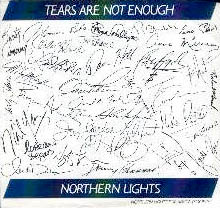
Let's delve for a moment into the lyrics.
As every day goes by
How can we close our eyes
Until we open up our hearts
Not at our tax rates. The government already has my heart and soul. Nationalists can argue all they want that out "taxes are not that high." High enough for me.
Seems like overnight
We see the world in a different light
Somehow our innocence is lost
Huh? It suddenly felt that way because a bunch of Canadian hosers got together to try and save Africa literally overnight. Here's some advice: deal with Canada's Native population first.
How can we look away
’cause every single day
We’ve got to help at any cost
I wonder if they still help at any cost.
We can bridge the distance
Only we can make the difference
Don’t ya know that tears are not enough
Not if the province of Quebec is building the bridges. And don't ya know Canadians can't make a difference?
C’est l’amour qui nous rassemble
D’ici ? l’autre bout du monde
Let’s show them canada still cares
You know that we’ll be there
I thought Latin was dead.
If we should try together you and I
Maybe we could understand the reasons why
If we take a stand every woman, child and man
We can make it work for god’s sake lend a hand
So what are the reasons? Try corruption, no rule of law, transparency or accountability, political instability, perpetual tribal and civil wars. That much is obvious to anyone who cares to pay attention carefully. Ever hear of you can't help those who refuse to help themselves?
If the Canadian version was typically Canadian in its pathetic niceness, the British one was downright condescending. I never found out if Africans knew it was X-Mas but Do they know it's Christmas completely ignored the fact that there are 480 million fricken Muslims in Africa (915 million total population). I'll go out on a limb and say half of them didn't give a shit if it was.

And what about USA for Africa? The song was called We are the World. I guess that captured the era pretty much. I know America represents 5% of the world population and 35% of total power as well as a ridiculous fascination with celebrity but it was supposed to be a song about Africa.

Given this trio of bad songs rooted in Western guilt complexes, it's not surprising to find out that Africa is in worse shape than it was in the 1980s. Live Aid notwithstanding.
Bono can use his vox all he wants in Canadian parliament but the cold, hard truth is that throwing money at Africa is just part of the solution. Remember when your parents gave you 20 bucks to open your first bank account in an effort to teach the value of saving and responsibility? Yeah, well hello. It works for countries too. Though the exercise went right over my sister's head.
There has been a renewed commitment to helping Africa. From what I noticed about Bush's Millennium plan one of the conditions is to hold recipients of funds to be accountable. As for Bob Geldoff, the man behind Live Aid, he at least has the integrity to remain committed to the plight of Africa. He deserves to be listened to on matters of Africa.
All this is good. Just spare me the bad music. And the day I see meaningful changes on the Dark Continent is the day I'll consider giving. For now, you're better off buying a cup of coffee for a homeless person. If that's not enough for you may want to consider this.

Little Mosque on the Prairie: A Revolutionary Show?
www.iht.com/articles/2007/01/15/news/journal.php
Everything is based in Saskatchewan now. That's disturbing. I'm still waiting for CBS' response to my CSI Regina idea.
Everything is based in Saskatchewan now. That's disturbing. I'm still waiting for CBS' response to my CSI Regina idea.
2007-01-15
Link of interest: Thinking of Our Troops
dndtalk.com/wordpress/?page_id=233
We don't talk enough about Canada's contributions to fight against terrorism. Specifically fighting Al-Queda in Afghanistan (in the southern and eastern provinces of Kandahar, Helmand, Kunar, Kost, Paktia and Paktika*). The above link gives readers a complete run down of our operations. Stephen Harper is often depicted as a puppet of the United States. It's plain wrong. Harper simply understands the stakes - call it the historian in him. For Canadians who feel that our troops should be called back it should be reminded that Canada is a popular destination for terrorists. We are involved even if we don't want to come to terms with it. Even the Liberals understood this much. I prefer to view Harper as leading this country. I don't have to agree with someone to respect him.
There was no such leadership under the Liberals. Even now they babble without a clue. Chretien didn't lead he pandered. He was more Mackenzie King in his waffling than Pierre Elliott Trudeau.
America's decision to combat terrorism is legitimate. They were correct in identifying the problem. The question is whether they have found the proper solutions. The reality is that Iraq was a reluctant theater in the wider battle against terrorism. Al-Queda most certainly saw it this way. Maybe Afghanistan wasn't the sole country to deal with. The idea of a democratic society bordering Iran and other dictatorships in the regime is a tempting notion. It's also been a divisive (necessary?) distraction. That's my interpretation. But why did America choose Iraq? Disassociate yourself from your political allegiance and think about that for a second. Or can the answer only be answered through the prisms of partisanship?
My only concern is that America becomes trapped in a situation between fighting bandits and neglecting to keep an eye on nation-states. The nation-state is not dead after all. We should not forget that Russia is far more capable of inflicting damage on the U.S. on a massive scale than any terrorist organization. China remains a communist state on steroids. Another concern is the erosion of America's air force. It is the American Air Force that had given America its decisive edge over all nations. Now its tanker fleets need to be upgraded.
As for the wider geopolitical angle, behind the scenes it's hard to believe that China, Russia and India aren't supporting the United States. With their own problems and skirmishes with Islamic militants, I suspect that they are riding America's tail. In fact, many Arabs were also glad to see Saddam go. They too had recognized the rise of Islamic terrorism as a threat to their religion and respective governments. Only they were paralyzed to fight it. It doesn't help that the Arab world both appreciates and resents the Americans at the same time. America is taking the heat for countries who quite frankly want to rid themselves of the same scourge. Ask any major nation in private if they feel America is morally wrong in fighting terrorism. I'm willing to bet this blog the answer is no.
It all adds up to Canada doing its part.
*billroggio.com
We don't talk enough about Canada's contributions to fight against terrorism. Specifically fighting Al-Queda in Afghanistan (in the southern and eastern provinces of Kandahar, Helmand, Kunar, Kost, Paktia and Paktika*). The above link gives readers a complete run down of our operations. Stephen Harper is often depicted as a puppet of the United States. It's plain wrong. Harper simply understands the stakes - call it the historian in him. For Canadians who feel that our troops should be called back it should be reminded that Canada is a popular destination for terrorists. We are involved even if we don't want to come to terms with it. Even the Liberals understood this much. I prefer to view Harper as leading this country. I don't have to agree with someone to respect him.
There was no such leadership under the Liberals. Even now they babble without a clue. Chretien didn't lead he pandered. He was more Mackenzie King in his waffling than Pierre Elliott Trudeau.
America's decision to combat terrorism is legitimate. They were correct in identifying the problem. The question is whether they have found the proper solutions. The reality is that Iraq was a reluctant theater in the wider battle against terrorism. Al-Queda most certainly saw it this way. Maybe Afghanistan wasn't the sole country to deal with. The idea of a democratic society bordering Iran and other dictatorships in the regime is a tempting notion. It's also been a divisive (necessary?) distraction. That's my interpretation. But why did America choose Iraq? Disassociate yourself from your political allegiance and think about that for a second. Or can the answer only be answered through the prisms of partisanship?
My only concern is that America becomes trapped in a situation between fighting bandits and neglecting to keep an eye on nation-states. The nation-state is not dead after all. We should not forget that Russia is far more capable of inflicting damage on the U.S. on a massive scale than any terrorist organization. China remains a communist state on steroids. Another concern is the erosion of America's air force. It is the American Air Force that had given America its decisive edge over all nations. Now its tanker fleets need to be upgraded.
As for the wider geopolitical angle, behind the scenes it's hard to believe that China, Russia and India aren't supporting the United States. With their own problems and skirmishes with Islamic militants, I suspect that they are riding America's tail. In fact, many Arabs were also glad to see Saddam go. They too had recognized the rise of Islamic terrorism as a threat to their religion and respective governments. Only they were paralyzed to fight it. It doesn't help that the Arab world both appreciates and resents the Americans at the same time. America is taking the heat for countries who quite frankly want to rid themselves of the same scourge. Ask any major nation in private if they feel America is morally wrong in fighting terrorism. I'm willing to bet this blog the answer is no.
It all adds up to Canada doing its part.
*billroggio.com
A Trivial Epiphany
Marty slid into bed hoping he would not wake up his wonderful wife. He failed. He sat and stared at her sultry eyes. He gingerly moved his Germanesque hand along her long glossy, jet black hair. He even went as far down as her breasts. "What are you doing?" she demured with one eye open. "Oh nothing. Just thinking," he said.
"What about?"
"Nothing."
"Don't give me that shit. You woke me up so spill it."
"Ok, ok. I have come to a conclusion."
"Yes?"
"Well, it's just that I think you can give Will Ferrell the crappiest script and he'll still make you laugh. You know?"
Unsure how to react she pauses and pushes her head back into the pillow and stares up at the semi-plastered ceiling. She turns over and playfully looks at Marty.
"You're my boy blue. Even though you're a ham at two in the morning. Come here."
"What about?"
"Nothing."
"Don't give me that shit. You woke me up so spill it."
"Ok, ok. I have come to a conclusion."
"Yes?"
"Well, it's just that I think you can give Will Ferrell the crappiest script and he'll still make you laugh. You know?"
Unsure how to react she pauses and pushes her head back into the pillow and stares up at the semi-plastered ceiling. She turns over and playfully looks at Marty.
"You're my boy blue. Even though you're a ham at two in the morning. Come here."
Subscribe to:
Posts (Atom)